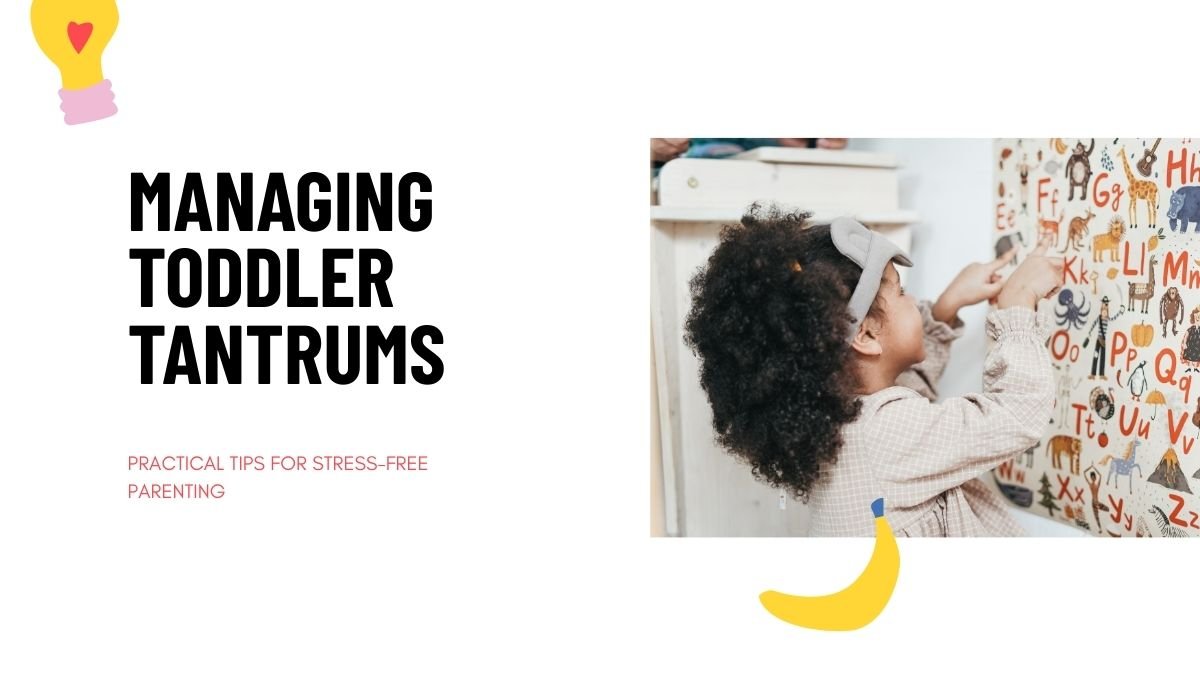
5 Ways to Cure Children from Anger and Temper (Stage of Tantrums)
If you’re young, and suddenly, you find yourself lying on the floor while wailing and kicking everything and anything around you, or throwing toys, then don’t panic. This is called tantrum, and it’s absolutely fine. It is something that can happen to children between the age of one and a half years to four years.
A child throws things down on the ground in anger or displeasure because they cannot express their feelings in words. This is considered “pre-linguistic communication.”
This raises the question about how parents or caregivers should react. The correct methods help children gradually learn control.
Why Do Children Throw Tantrums?
- Hunger and Fatigue
If a child has little food in their tummy or has been awake too long, they may cry, scream, or throw things for the smallest reasons.
Example: You gave him a biscuit late and he immediately became stubborn. - Language Deficiency
Young children don’t know enough words to express their needs, so they compensate with anger. - Desire for Independence
Children often insist, “I’ll do it myself.” If stopped or offered help, they may become angry. - Overstimulation
Noise, crowds, or new environments can make children irritable. - Attention-Seeking Tricks
Some children learn they’ll get immediate attention if they cry loudly or throw things.
What To Do in a Tantrum?
- Practice Patience and Calmness
Do not shout. If you shout, the child will escalate. Stay calm and talk slowly.
Example: If your child nags about chocolate in a store, say: “I know you want chocolate right now, but we’re having fruit.” - Accept the Child’s Feelings
Show the child that you understand their emotions. This reduces anger.
Example: “I see you’re very upset because you didn’t get a toy.” - Redirect Attention
Quickly divert them to another activity.
Example: If a child refuses to leave the swing, say: “Let’s go on the slide now!” - Offer Choices
Giving options helps kids feel in control.
Example: “Do you want to drink juice in the red cup or the blue cup?” - Time-In or Time-Out
- Time-In: For younger kids, sit with them and help them calm down.
- Time-Out: For older kids, send them to a calm place for 1–2 minutes.
This is not punishment, just a chance to cool off.
What to Do After a Tantrum?
- Explain
Once calm, gently explain why the behavior was not acceptable.
Example: “Hitting is not right. If you get angry, tell us next time.” - Provide Praise
Praise immediately when the child shows self-control.
Example: “I’m glad you didn’t throw the toy. I’m proud of you.”
How to Prevent a Tantrum?
- Meet basic needs: meals and sleep on time
- Create a routine for security
- Identify triggers and avoid them
- Limit options (offer 2–3 choices instead of saying no)
- Give love and positive attention daily
When Should You Worry?
Most kids outgrow tantrums by age 3–3.5. Seek expert advice if:
- Tantrums continue past age 4
- The child hurts themselves or others during tantrums
- Episodes last too long or occur very frequently
Conclusion
Tantrums are a normal part of child development. They can’t be avoided completely, but with the right strategies, patience, and consistent boundaries, children learn self-control and communication skills.
Every tantrum is a learning opportunity—for both child and parent.